



If you are looking for holiday debt relief after a season of overspending, the immediate answer is to pause credit card use, assess the total damage, and switch to a “bare-bones” budget.
When it comes to holiday shopping a lot of consumers go into debt getting that perfect gift. According to a lending tree survey, on average Americans accumulated $1,223 in debt over the holidays and for parents with young children it’s even worse, “Parents with kids younger than 18 are significantly more likely to take on holiday debt, with 48% borrowing, at an average of $1,324.”
The point being even though debt can feel stressful and isolating, you are not alone if you overspent this holiday season.
This guide covers the 7 specific steps to regain financial balance, rebuild your savings, and plan smarter for next year, all while maintaining your peace of mind.
Key Takeaways
- Acknowledge your spending and assess your financial situation honestly.
- Reevaluate your budget to identify essential vs. discretionary expenses.
- Prioritize debt repayment using proven methods like the avalanche or snowball approach.
- Cut back on non-essential spending and find ways to boost income.
- Plan ahead for next year to avoid repeating the same mistakes.
7 Step Guide to Regain Financial Balance
Step 1: Acknowledge the situation
The first step toward recovery is facing your finances head-on. You must know what you are dealing with after all.
- Gather your receipts and your bank and credit card statements.
- Once you have all your receipts and statements and calculate your total holiday expenses.
- Recognizing the scope of your spending and debt helps you create a realistic plan for recovery.
Step 2: Reevaluate your budget (The “Back-to-Basics” Formula)
If you don’t already have a budget, now’s the perfect time to start. To pay off debt quickly, you need to identify your Discretionary Income. Use this simple formula where you allocate 50% on needs, 30% on wants and 20% for savings. Based on this guide you can follow the following steps to find out what your discretionary income is.
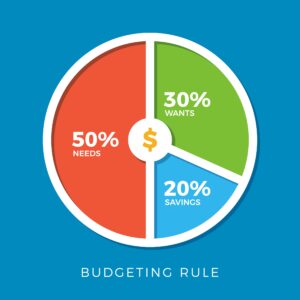
Calculate your total take home income from all your income sources
List all essential expenses (rent, utilities, groceries, transport).
Gather all your nonessential expenses (Streaming services, dine out, etc.)
Subtract these expenses from your monthly income.
The Result: This number is your “Discretionary Income.” 100% of this amount should now be allocated toward debt repayment and savings.
Step 3: Prioritize your debts (Snowball vs Avalnche)
Holiday overspending often leads to increased credit card debt. Choose a repayment strategy that fits your mindset and goals:
The Debt Snowball Method:
- How it works: You pay off the smallest debt balance first, while making minimums on the others.
- Best for: People who need a quick “win” and a motivation boost to keep going.
The Debt Avalanche Method:
- How it works: You pay off the debt with the highest interest rate first.
- Best for: People who want to save the most money on interest over time.
Whichever you choose, always make minimum payments on all accounts to avoid late fees and penalty APRs.
Step 4: Cut Back on non-essential spending
“Now take a look at how you spend your money on discretionary expenses and create a budget for those items. These are purchases that are desirable but unnecessary, such as streaming TV subscriptions, gifts or vacations.” – Marielle Segarra & Audrey Nguyen, NPR.
Small sacrifices can make a big difference. Try:
- Food & drink: Brew coffee at home and meal prep lunches instead of buying them. Potential Savings: ~$150/month.
- Entertainment: Swap cinema trips for local library events or switch to free (ad-supported) streaming tiers instead of premium ones.
- Lifestyle: Host movie nights at home instead of going out. Postpone large purchases until your finances stabilize.
Even saving $20 a day by not going out for lunch at work can free up $600 a month for debt repayment or savings!
Step 5: Find ways to boost your income
If possible, explore opportunities to increase your income:
- Sell unused items: Use online marketplaces or host a yard sale for quick cash.
- Gig economy: Offer skills on freelancing platforms or take on part-time work.
A Note on wellness: Please understand that when it comes to doing part-time or freelance work, you should only take this route if you have the mental and physical bandwidth. Additional work is helpful, but too much could lead to burnout. prioritize your health.
Temporary income boosts can help you pay off debt faster and rebuild your emergency fund.
Step 6: Plan for next year
Avoid future overspending by planning ahead:
- Set a holiday budget early in the year.
- Open a dedicated savings account for gifts and celebrations.
- Automate small monthly transfers to build your holiday savings gradually.
By December, you’ll have a cushion ready, no credit card debt required!
Step 7: Explore nonprofit financial assistance
If your balances feel overwhelming, legitimate holiday debt relief is available through nonprofit credit counseling service. They can help you:
- Negotiate lower interest rates.
- Create a personalized repayment plan to pay off credit card debt faster
- Protect your credit score over the long run by continuing to pay your creditors.
What American Consumer Credit Counseling (ACCC) Can Do For You
- Established with the goal of empowering consumers to take charge of their finances, ACCC delivers a range of personalized financial services.
- You’ll be supported by financially certified credit counselors offering expert advice and solutions aimed at helping you attain financial stability.
- Their knowledge can assist you in creating a personalized debt management plan.
- Our counselors will support you all the way on your journey to financial freedom.
To Sum It Up
Overspending during the holidays happens to the best of us. What matters most is how you respond. With a clear financial plan, mindful spending habits, and a positive outlook, you can turn this year’s financial setback into a steppingstone toward lasting stability and financial freedom!
Frequently Asked Questions
Q: How long does it take to recover from holiday overspending?
A: It depends on your debt level and repayment strategy. For the average American holiday debt of ~$1,200, paying an extra $100 per month will take roughly 12–14 months to clear, depending on your interest rate.
Q: Should I use a balance transfer credit card?
A: A balance transfer card can be a useful tool if you have a good credit score (typically 670+) and the discipline to pay off the balance before the 0% promotional period ends. However, for many, a structured Debt Management Plan through a nonprofit agency is a safer alternative that doesn’t require opening new lines of credit.
Q: What’s the best way to avoid overspending next year?
A: Start saving early, set a realistic budget, and track every purchase.
Q: How do I know which debt repayment method, avalanche or snowball, is best for me?
A: It depends on your personality. If you are motivated by math and efficiency, choose Avalanche (High Interest first). If you need to see quick progress to stay motivated, choose Snowball (Smallest Balance first).
Q: What should I do if I can’t even afford the minimum payments on my credit cards?
A: If you cannot make minimum payments, contact your creditors immediately to discuss hardship programs. Better yet, contact American Consumer Credit Counseling (ACCC) for a free session. We can review your entire financial picture and help you understand options like Debt Management Plans or budget counseling.
If you’re struggling to pay off debt, ACCC can help. Schedule a free credit counseling session with us today.
Read the full article here